Flawed and Still Worthy - Jesus Christia
First Impressions of Flawed and Still Worthy - Jesus Christia
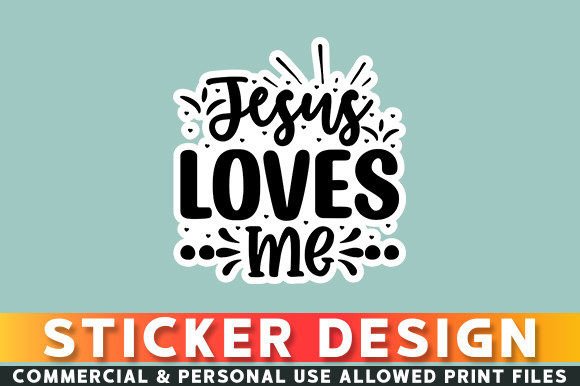
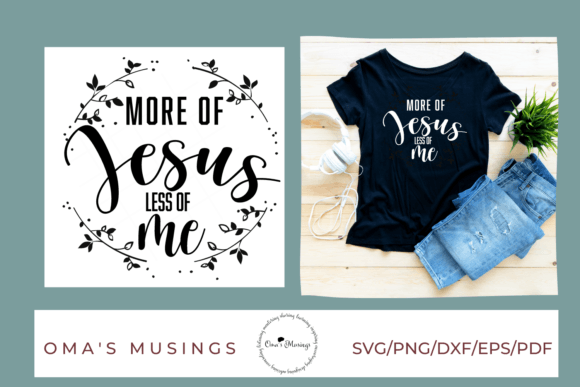
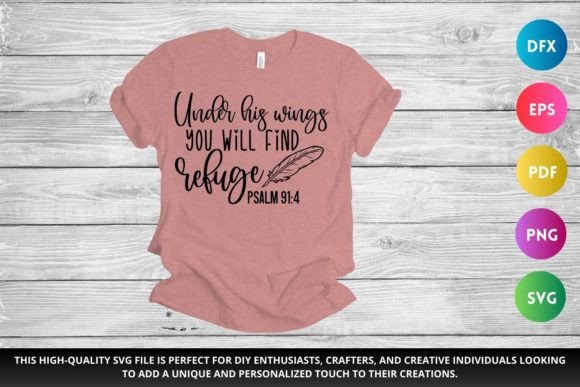
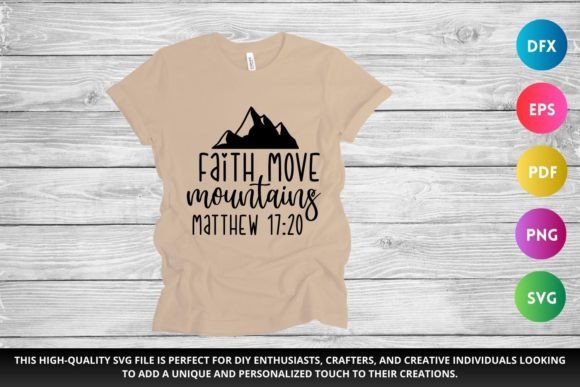
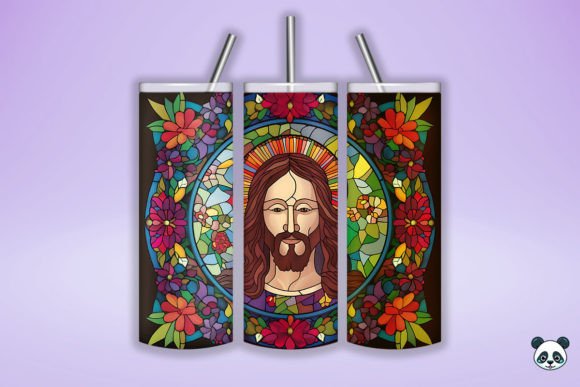
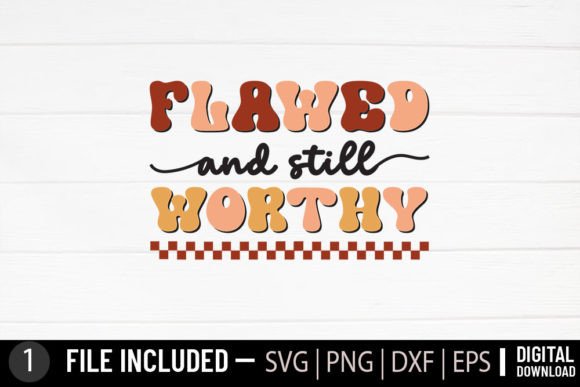
Flawed and Still Worthy - Jesus Christia immediately catches the eye with its bold, emotive design. The piece feels deeply personal, as if it were meant to be a statement on fabric. The composition is centered, with a strong visual anchor that draws the viewer in. The theme is religious but not overly overt, making it suitable for a range of projects from spiritual gifts to everyday wear.
The layout is balanced, with enough detail to keep it interesting without becoming cluttered. The shape is clean, which makes it ideal for embroidery on items like tote bags, sweatshirts, or baby clothes. It has a modern feel, yet the use of traditional stitching techniques gives it a handmade quality that resonates with crafters and small business owners alike.
Real-Life Embroidery Scenarios
When considering Flawed and Still Worthy - Jesus Christia for real-life use, it’s important to think about where it will end up. This design works well on custom apparel, such as a sweatshirt or t-shirt, where it can serve as a focal point. It also translates nicely to a tote bag design, offering a meaningful touch for shoppers who appreciate thoughtful craftsmanship.
For baby items, the design could be used on onesies or blankets, though care must be taken with the placement to ensure it doesn’t get too close to the face. As an embroidered patch, it could be sewn onto jackets or backpacks, adding a unique element to personalized gear. On pillow covers or tea towels, it brings a sense of warmth and character to home decor.
This machine embroidery design also has potential for holiday or wedding gifts. Its depth and symbolism make it a powerful choice for special occasions, especially when paired with the right thread colors and fabric choices.
Where to Use Flawed and Still Worthy - Jesus Christia Carefully
While Flawed and Still Worthy - Jesus Christia is versatile, there are certain situations where caution is advised. Small hoop sizes may struggle to accommodate the full design, so it’s best to check the recommended hoop size before starting. Textured fabrics can sometimes obscure the details, especially in areas with fine lines or intricate patterns.
Thin or stretchy fabrics may require additional stabilizer to prevent puckering or distortion. Dark fabrics might need a contrasting thread color to ensure the design stands out. Layered garments, such as those with multiple fabric layers, can complicate the stitching process, especially around curved surfaces like caps or hoods.
Detailed corners and tiny lettering should be inspected closely to ensure they remain clear after stitching. Dense stitch areas may cause the fabric to pucker, so adjusting the stitch density or using a different type of stitch, like a running stitch, could help.
Impact on Visual Appeal and Customer Perception
Flawed and Still Worthy - Jesus Christia has a strong visual presence that can elevate any finished product. When stitched correctly, it adds a level of sophistication that appeals to customers looking for meaningful, handcrafted items. The clarity of the design depends heavily on the quality of the embroidery file and the technique used.
For small shop products or Etsy listings, this design can increase perceived value by offering something unique and thoughtfully made. It can also build customer trust, especially when used in handmade products that emphasize authenticity and artistry. As a personalized gift, it carries emotional weight that can strengthen brand loyalty and encourage repeat purchases.
In commercial embroidery projects, Flawed and Still Worthy - Jesus Christia can serve as a signature element that sets a business apart. It’s particularly effective when used in boutique branding or as part of a printable mockup for digital product previews.
Practical Designer Notes for Using Flawed and Still Worthy - Jesus Christia
Before committing to a project, it’s wise to test Flawed and Still Worthy - Jesus Christia on scrap fabric. This helps identify any issues with stitch density, thread color contrast, or fabric compatibility. Checking the design in black and white mockups can also reveal how it will look on different backgrounds.
Confirming the proper hoop size is essential, especially if working with limited space. Inspecting small details, such as lettering or decorative accents, ensures they remain visible after stitching. For commercial use, verifying licensing terms is crucial to avoid legal complications when selling finished items or digital embroidery files.
Using the right stabilizer can make a big difference in how the design looks on various fabrics. Whether it’s an applique design or a satin stitch fill, the outcome will depend on the materials and techniques used. For craft businesses, this design offers flexibility in both personal and commercial projects, provided the basics are handled correctly.