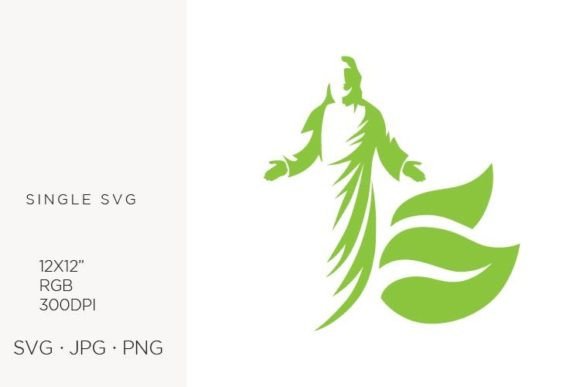
Jesus Christ, Son of God. Vector Illustrations
As a brand designer and content marketer, I’ve seen countless graphic design assets come and go. But when I first laid eyes on Jesus Christ, Son of God. Vector, I knew it had the potential to be more than just an illustration—it could be a cornerstone of a powerful visual identity. This vector illustration offers clean lines, timeless appeal, and a sense of reverence that can elevate any marketing effort.
The First Impression: Timeless and Reverent
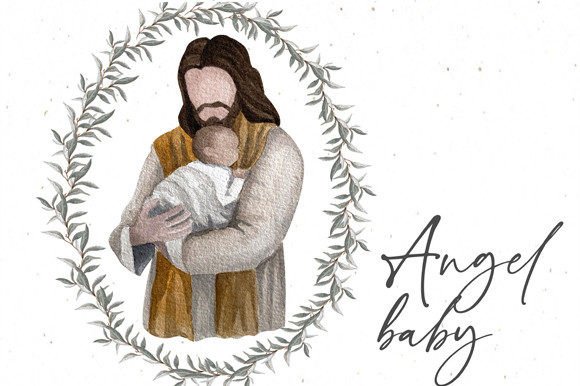
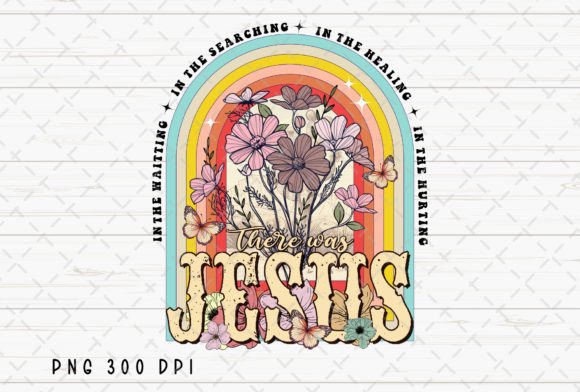
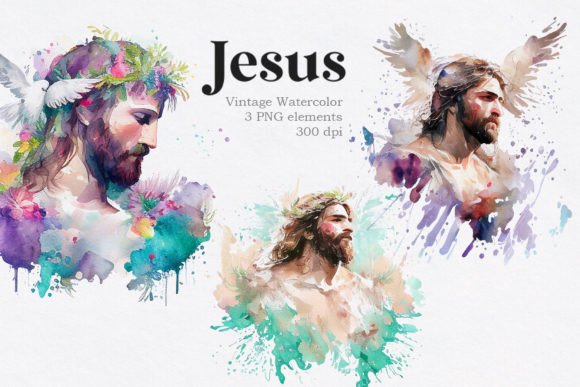
Jesus Christ, Son of God. Vector immediately conveys a sense of calm, dignity, and spiritual depth. The composition is balanced, with a clear focal point that draws the eye naturally. It’s not overly complex, but it carries weight—perfect for brands looking to communicate values like faith, hope, or inspiration.
This design works well in both casual and premium branding scenarios. Whether it’s used in handmade product packaging, lifestyle content, or editorial graphics, it maintains a level of sophistication that feels authentic. It doesn’t shout, but it commands attention in a way that feels respectful and intentional.
Real-World Marketing Applications
Imagine a small business launching a new line of spiritual merchandise or a digital creator building a content kit around faith-based themes. Jesus Christ, Son of God. Vector can serve as a central visual element across multiple platforms. From social media graphics to email banners, this asset brings consistency without overwhelming the viewer.
It’s also ideal for brand identity projects where visual hierarchy and emotional tone are key. When placed alongside text or other design elements, it creates a natural flow that guides the audience through the message. For packaging design or product labels, it adds a touch of professionalism that can differentiate a product in a crowded market.
In digital ads or social media posts, this vector illustration can act as a strong visual anchor. It’s versatile enough to work in both light and dark backgrounds, making it adaptable for different campaigns and platforms.
Supporting Marketing Goals with Visual Clarity
One of the most valuable aspects of Jesus Christ, Son of God. Vector is how it supports visual hierarchy and audience trust. When used effectively, it helps create a stronger first impression, which is crucial in today’s fast-paced digital landscape. A well-designed asset can make a campaign feel more polished and professional, increasing the likelihood of engagement and conversion.
For content marketing efforts, this illustration can be part of a design bundle or Canva template, allowing creators to maintain a cohesive look across blog posts, website headers, and promotional materials. It also enhances brand recognition, especially when used consistently across different channels.
When paired with the right typography—whether a serif font, sans serif font, or script font—it can evoke different moods. In a modern design, it adds warmth; in a handwritten font, it feels more personal and intimate.
Where to Use Jesus Christ, Son of God. Vector
This asset shines in hero graphics, campaign headers, and product launch visuals. It’s perfect for branded templates, social media covers, and packaging accents. When included in a content bundle, it adds value to a creative marketplace offering, appealing to designers and marketers who need high-quality SVG design or PNG design.
It also works well in editorial layouts, event flyers, and merchandise like stickers or t-shirts. Its clean lines make it easy to scale, whether used in large posters or small digital ads.
Where to Use Carefully
While Jesus Christ, Son of God. Vector is versatile, it may not fit every brand or campaign. In formal corporate branding, it could feel out of place if the overall aesthetic is too rigid or minimal. Similarly, in dense information layouts or text-heavy ads, it might compete with the main message instead of supporting it.
On small mobile graphics, the details may get lost, so it’s important to test it at various sizes. In low-contrast backgrounds, it may not stand out as intended. And for overly minimal brands, it could add unnecessary complexity.
Practical Brand Designer Notes
Before finalizing any campaign, I always recommend testing Jesus Christ, Son of God. Vector with the brand’s color palette. It should complement—not clash—with existing hues. Black and white versions are also worth exploring for versatility.
Place it inside real campaign mockups to see how it interacts with other elements. Preview it on mobile screens to ensure readability and clarity. Compare it against competitor visuals to ensure it stands out in a meaningful way.
Check how it pairs with different font styles. Some combinations may enhance the design, while others may dilute its impact. Review spacing and balance to avoid overcrowding or awkward placement.
Finally, confirm the commercial license before using it in paid campaigns, client work, or business branding. This ensures legal compliance and peace of mind.
Conclusion: A Powerful Design Asset for Creative Brands
Jesus Christ, Son of God. Vector is more than just an illustration—it’s a tool for storytelling, connection, and brand expression. Whether you’re a small business owner, a digital seller, or a creative entrepreneur, this asset can help elevate your marketing efforts and create a lasting impression.
By understanding its strengths and limitations, you can use it strategically to build trust, enhance visual consistency, and craft campaigns that resonate with your audience. In the right context, it’s a design asset that can truly make a difference.